


Psychology at UNLV
A long and rich tradition of excellence in research and teaching as well as service to the university, the community, and the field of psychology.
Welcome
Welcome to the Department of Psychology. Psychology is the science of behavior. The department is a vibrant entity with a rich tradition of excellence in research and teaching as well as service to the university, the community, and the field of psychology. Our faculty members conduct cutting-edge research in clinical, cognitive, and developmental psychology as well as neuroscience and quantitative methods. Our research is enhanced by great diversity in our undergraduate student population and in our community in Las Vegas. The department also has connections with many organizations that include private schools, Clark County agencies, and mental health, medical, and neuroscience centers. Come join us!
Calling All Alumni
We'd love to hear from you! Let us know how you're doing.
Academic Programs


Diversity
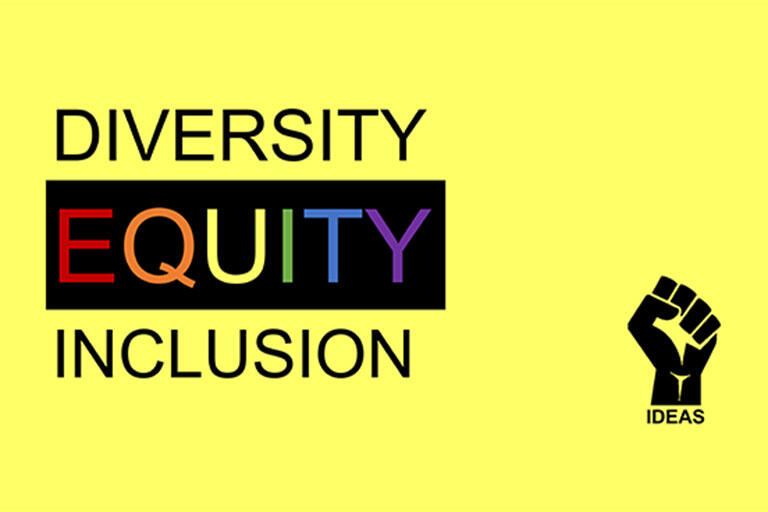
The Psychology Department at UNLV is committed to enhancing knowledge and awareness of issues of diversity. We promote multiculturalism in research, teaching, and clinical training. We address issues of oppression, discrimination, and marginalization based on identity (broadly defined). We advocate for equity, inclusion, and social justice as we challenge systematic oppression within higher education and throughout the larger community.
Clinical Psychology
The UNLV Clinical Psychology Doctoral program, in the scientist-practitioner tradition, prepares students to address psychological concerns through scholarly research and the application of psychological knowledge and skills in practice. We recognize psychology as an empirical science and expect students to have a broad understanding of existing psychological knowledge and methods. We train students to base their scholarly and professional activity on the scientific foundation of psychology, including an understanding of and attention to human diversity. We train students as generalists who are prepared to conduct ethically appropriate scientific research and clinical interventions with children and adults in an increasingly multicultural society...

Psychological and Brain Sciences
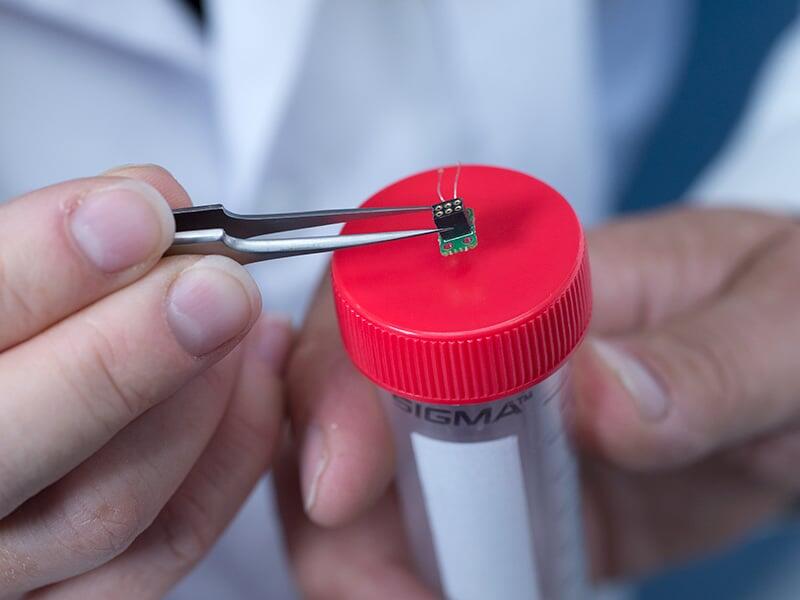
The UNLV Psychological and Brain Sciences doctoral program trains students to become psychological and brain scientists capable of conducting independent research that meets international standards of scientific excellence. Upon completing the degree, students will be qualified to seek careers conducting research in academia and in other institutional and applied settings. Areas of research in which faculty supervise students are: cognitive psychology, developmental psychology, and quantitative, social, and community. The program operates on a mentor model in which students work under the supervision of an identified faculty mentor. We welcome students from diverse backgrounds and encourage research in topics related to multiculturalism and diversity.
Interdisciplinary Neuroscience
The neuroscience area provides hands on research opportunities to investigate the neural basis of behavior. Faculty research includes analysis of molecular and cellular biology, psychopharmacology, electrophysiology, behavioral and cognitive neuroscience, and neuropsychology. Active research projects include both basic science and translational investigations using human and non-human animals. We offer an array of graduate neuroscience courses that are required for specializing in neuroscience. Faculty members in the department are part of UNLV's Interdisciplinary Neuroscience Ph.D. program and are part of a growing network of neuroscience researchers in the Las Vegas area.
Prospective applicants should apply to UNLV's Interdisciplinary Neuroscience Ph.D. program and are encouraged to consult with prospective faculty members Daniel Allen, Stephen Benning, Ashley Blackwell, Dustin Hines, Rochelle Hines, Sam Inayat, James Hyman, Joel Snyder and/or the Director of the Interdisciplinary Neuroscience Ph.D. program (Brach Poston) for additional information.
Labs
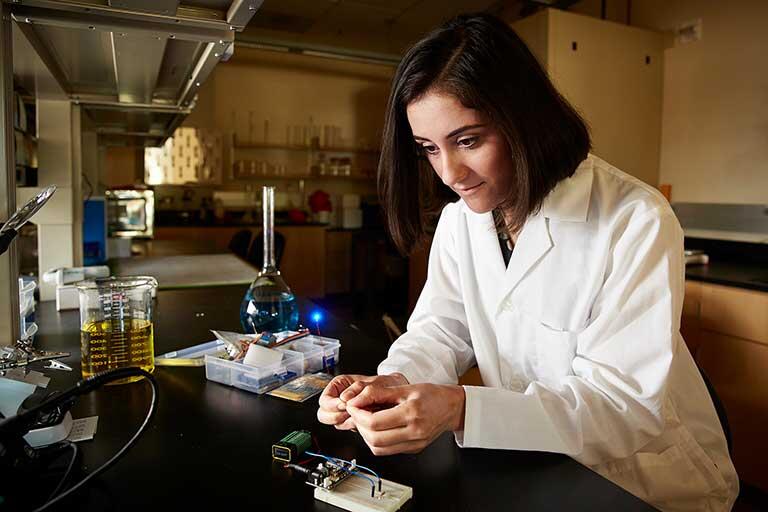
Undergraduate students at UNLV are strongly encouraged to gain research experience by becoming research assistants in a psychology lab. By getting involved in laboratory research, you can enhance your understanding of the methods psychologists use and the process through which they discover new information about psychology.
Follow Us
What's Happening in Psychology
Events
In the News
- | NewsBeezer
- | National Geographic
Experts
- Assistant Professor of Psychology
- Professor of Psychology
- Professor of Psychology




The Department of Psychology is one of the departments in the College of Liberal Arts.
